
Who are we?
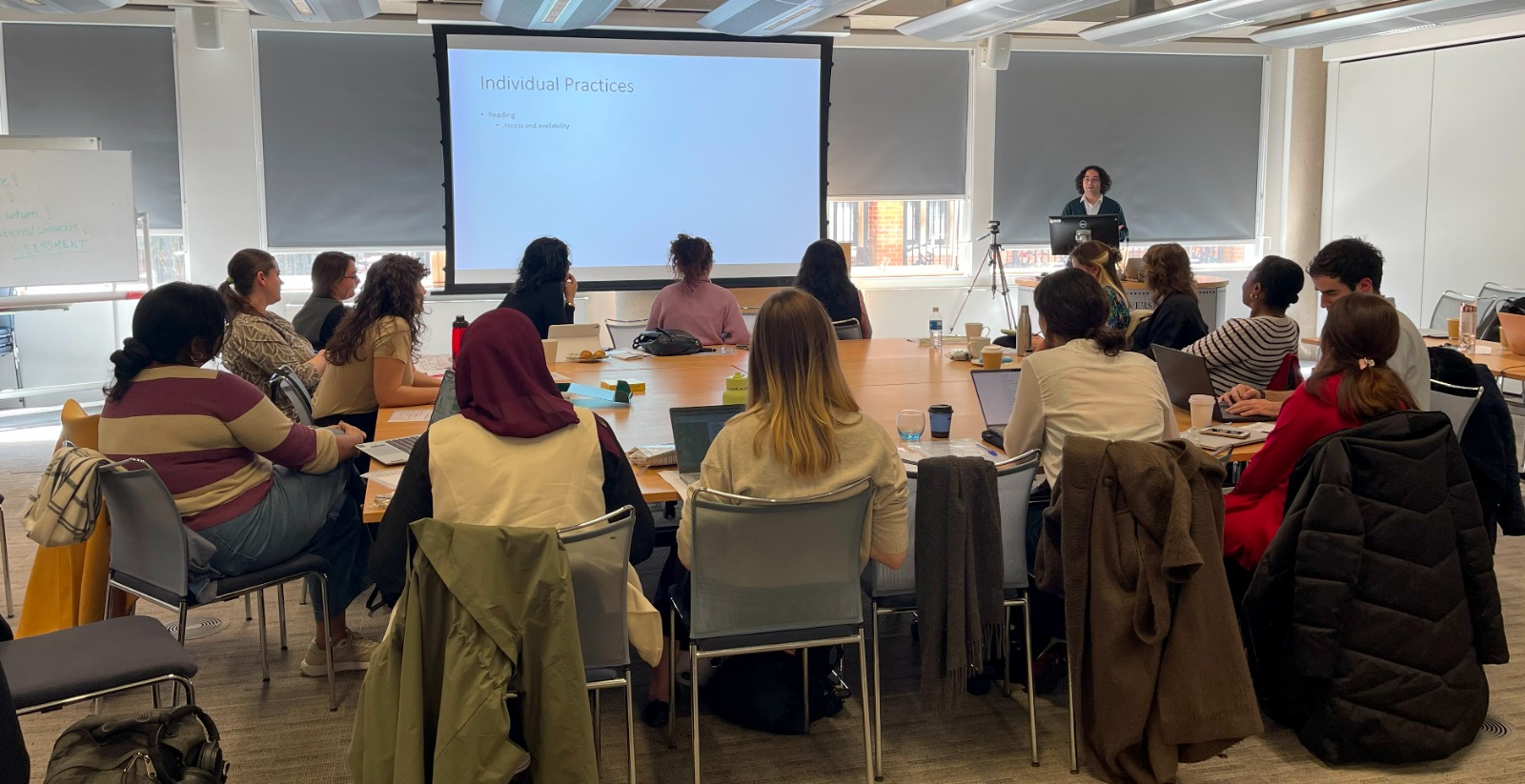
The Education Observatory is a pioneering initiative led by a specialized team of experts and researchers at the Lebanese Center for Policy Studies. Since the beginning of the crisis in Lebanon, the Observatory has been working to collect and analyze data related to the education sector through periodic surveys, in-depth research, and rigorous systematic analyses, with the aim of understanding the transformations taking place in this vital sector.
The observatory team collaborates with various stakeholders, including students, parents, teachers, and policymakers, to provide a comprehensive and in-depth view of the challenges and opportunities facing the educational landscape in Lebanon.
This initiative aims to produce evidence-based knowledge and provide insights and recommendations that respond to the priorities and requirements of the current educational landscape. Through continuous monitoring of the education sector, the observatory seeks to support the development of effective educational policies and practices, and to propose evidence-based solutions to meet the needs of the education sector.
The Educational Monitor Journal is a space for research, policies and practices in Lebanese educational affairs.
We monitor education issues as a public issue that affects social justice, governance, and the quality of education.
We aim to provide a sober, evidence-based analysis that links academic research, policy discussions, and field experiences, contributing to the production of impactful knowledge that supports the development of educational policies and practices.
We are addressing a broad audience that includes:
- Public opinion concerned with educational matters,
- Teachers, unions, and educational professionals
- Researchers and experts
- Decision-makers and stakeholders
We believe that education is not just a technical sector, but a political and social space that requires critical and responsible discussion.
We launch this journal based on the fundamental conviction that the discussion about education in Lebanon can no longer remain confined to closed academic circles or narrow technical debates. Education is not a matter for experts alone, but rather an issue that affects the entire society and is reflected in the form of the state, social relations, and the opportunities for individuals and groups in life, dignity, and the future.
Therefore, this journal aims to be an open space for dialogue and critical thinking about education, connecting academic research with lived reality and opening the discussion to educators, teachers, unions, students, parents, researchers, and all those interested in public affairs. It is an attempt to build a shared space for cultural exchange and collective thinking, based on academic and research contributions, as well as the lived and accumulated experiences of teachers and practitioners in the field.
Perhaps the first necessary step in this dialogue is to re-establish justice as the fundamental moral and political value that should frame thinking about education and educational policies. Justice is not an abstract concept or a general moral slogan, but rather the essential entry point for understanding the reality of education in Lebanon, interpreting the deep inequalities revealed by the ongoing Israeli war, and considering how to build a more equitable educational system capable of protecting society rather than perpetuating its divisions.
Editorial policy
The journal adopts an independent analytical approach, based on evidence and intellectual transparency.
We welcome contributions from writers from diverse backgrounds — academic, professional, union, and field — provided they adhere to accuracy, clarity, reliance on evidence, and avoid populist or propagandistic rhetoric.
The published materials adhere to:
- Relying on reliable data and clear references where appropriate,
- Distinguishing between opinion and evidence-based analysis.
- Respect for intellectual pluralism,
- Questioning educational policies without partisan alignment.
Our goal is not to produce a consensus discourse, but to open up a space for sober discussion that promotes critical thinking and enriches the public debate about education in Lebanon.

